
Graphite Electrodes Application
Engineering & Design Materials
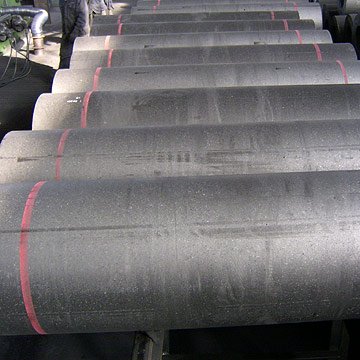
Graphite electrodes are used primarily in electric arc furnace steel manufacturing. Graphite electrodes can provide high levels of electrical conductivity and capability of sustaining the extremely high levels of generated heat. Graphite electrodes are also used in the refinement of steel and similar smelting processes.
Carbon - graphite electrodes are also used in gouging operations such as in the forming of a bevel or groove, removing defects in castings or weldments by an arc or gas process. Arc gouging removes material by melting it with the heat of an arc struck between a carbon - graphite electrode and the base metal. Compressed air or nitrogen simultaneously blows the molten metal away.
Graphite electrodes are selected based on some of the following application considerations:
- Furnace design
- Scrap requirements
- Charging practice
- Burner/Oxygen usage
- Water spray rings
- Fume control system
- Meltdown/Refine/Tap-to-Tap Time
- Power level
- Slag practice
Specifications:
NEMA CG 1-2001 Manufactured Graphite / Carbon Electrodes
This standard defines size, dimensions, and configurations of cylindrical graphite and carbon electrodes for use in electric arc furnaces. Additionally, this standard specifies acceptable joining features (threads, etc.).
As always, Engineers Edge recommends consulting with graphite electrode suppliers, as well, as furnace engineers for proper selection and sizing.
Graphite Electrodes
Courtesy ASP, Inc.
 |
Link to this Webpage:

© Copyright 2000 -
2024, by Engineers Edge, LLC
www.engineersedge.com
All rights reserved
Disclaimer |
Feedback
Advertising
| Contact


